
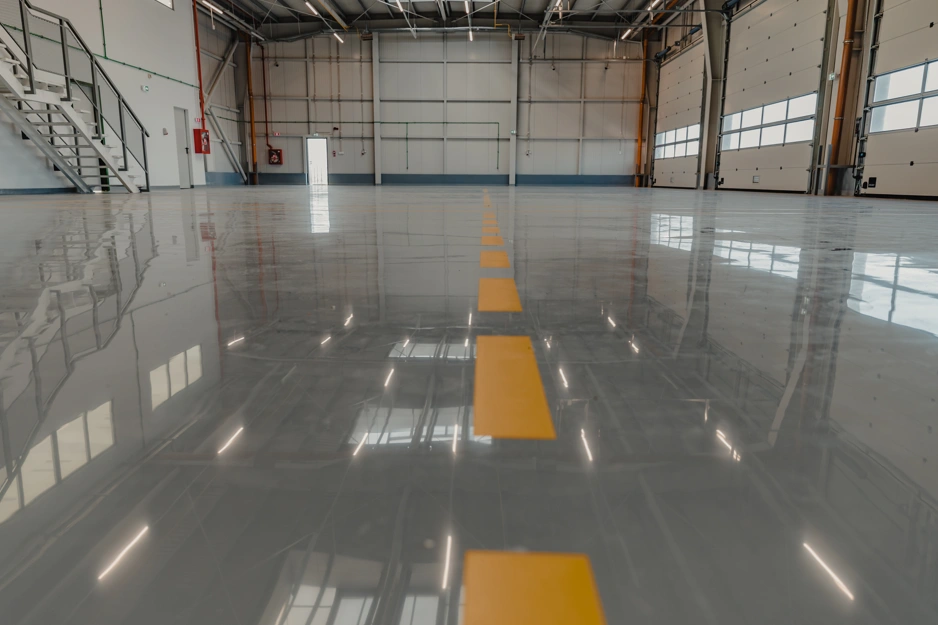
Epoxy flooring has a reputation for being tough, and that reputation is mostly earned. But property owners in New York still ask the same question before committing to it: will it scratch, will it crack, and how long before it starts looking worn? These are fair questions, and the answers depend on the coating type, the application quality, and how the floor gets used. If you are considering epoxy flooring in NY for a commercial or residential space, understanding what the material can and cannot handle helps you make a decision based on facts rather than assumptions.
How Scratch-Resistant Is Epoxy Flooring?
Epoxy is significantly harder than standard concrete once it cures. The hardness of a fully cured epoxy coating typically falls between 75 and 85 on the Shore D hardness scale, which puts it well above most flooring materials used in commercial and residential spaces.
Under normal conditions, epoxy resists surface scratches from foot traffic, rolling chairs, and light equipment movement. For offices, retail floors, warehouses, and garages in New York, day-to-day use does not cause visible scratching.
Where scratching becomes a concern:
- Heavy equipment with metal feet was dragged across the surface rather than lifted
- Sharp debris ground into the floor under vehicle tyres in garage settings
- Abrasive cleaning pads are used during maintenance instead of soft mop heads
- Industrial environments with constant metal-on-floor contact
For most commercial applications, a standard epoxy coating handles the load. For spaces with unusually heavy or abrasive use, a polyurethane or polyaspartic topcoat applied over the epoxy layer adds additional scratch resistance.
What About Cracking: Does Epoxy Crack on Its Own?
Epoxy itself does not crack under normal conditions. It is the concrete substrate beneath it that causes cracking problems. When the concrete moves, settles, or develops cracks from structural shifting or thermal expansion, those cracks can telegraph through the epoxy coating above.
This is why surface preparation before installation matters more than the coating itself. A concrete floor with existing cracks that are not properly repaired and filled before the epoxy is applied will show those cracks through the coating within months. The epoxy did not fail. The prep work did.
For New York commercial properties where concrete floors experience temperature changes between heated interiors and cold loading dock areas, expansion joints in the concrete need to be accounted for in the epoxy installation plan.
Also Read: Epoxy Flooring vs. Other Floor Coatings: Which Is Better?
UV Exposure and Colour Fading in NY Conditions
Standard epoxy coatings are not UV-stable. In spaces with significant natural light exposure, standard epoxy yellows and loses its surface clarity over time. For ground-floor retail spaces, showrooms, or any NY property with large windows, this is worth factoring into the coating selection.
UV-stable polyaspartic or polyurethane topcoats address this issue and maintain colour stability in light-exposed environments without adding high cost to the project. Commercial floor coating services that include a UV-stable topcoat as a standard finish option give you a longer-lasting result in these conditions.
Impact Resistance: What Epoxy Can and Cannot Handle
Epoxy handles impact well in most commercial settings. Dropped tools, pallets placed on the floor, and rolling stock movement are within the normal performance range of a properly applied coating.
What causes impact damage is a force concentrated on a small point area. A heavy piece of equipment dropped from height onto a small contact point can chip the coating at the impact site. This is not a failure of the material in general. It is a localized response to a specific type of force.
Chips from impact damage are repairable without resurfacing the entire floor. A spot repair filled and top-coated correctly restores the surface at the damaged area.
Concrete floors treated with protective coatings show significantly lower maintenance costs over a 10-year period compared to untreated concrete in commercial environments.
How Long Does Epoxy Flooring Last in NY Commercial Spaces?
A properly installed epoxy floor in a commercial setting lasts between 5 and 10 years under normal use before it needs recoating or resurfacing. Floors in lower-traffic areas last longer. High-traffic warehouse or industrial floors at the lower end of that range.
The variables that extend or shorten that lifespan:
- Quality of the concrete prep before installation
- Thickness of the epoxy coating applied
- Whether a topcoat was applied over the base coat
- How consistently the floor is maintained and cleaned
For residential garage floors, epoxy lasts 10 or more years with basic maintenance because the use intensity is far lower than in a commercial facility.
Maintenance That Keeps Epoxy Looking Right
Epoxy floors are low-maintenance compared to polished concrete or tile, but they are not no-maintenance. A basic routine keeps the surface in good condition:
- Sweep or dust mop regularly to prevent grit from acting as an abrasive under foot traffic
- Clean spills promptly, especially acids or solvents in industrial settings
- Use a pH-neutral cleaner and a soft mop for periodic wet cleaning
- Avoid dragging equipment across the surface
For garage floor coating applications, a yearly inspection of the surface and any chip repairs keeps the floor performing well without a full recoat.
Get the Right Epoxy Floor Installed for Your NY Property
PEC Floors handles epoxy flooring in NY for commercial warehouses, retail spaces, garages, and residential properties. If you have questions about which coating type fits your space, or you want an assessment before committing to a floor system, contact us, and we will look at your floor and give you a clear recommendation based on your actual usage and conditions.
