
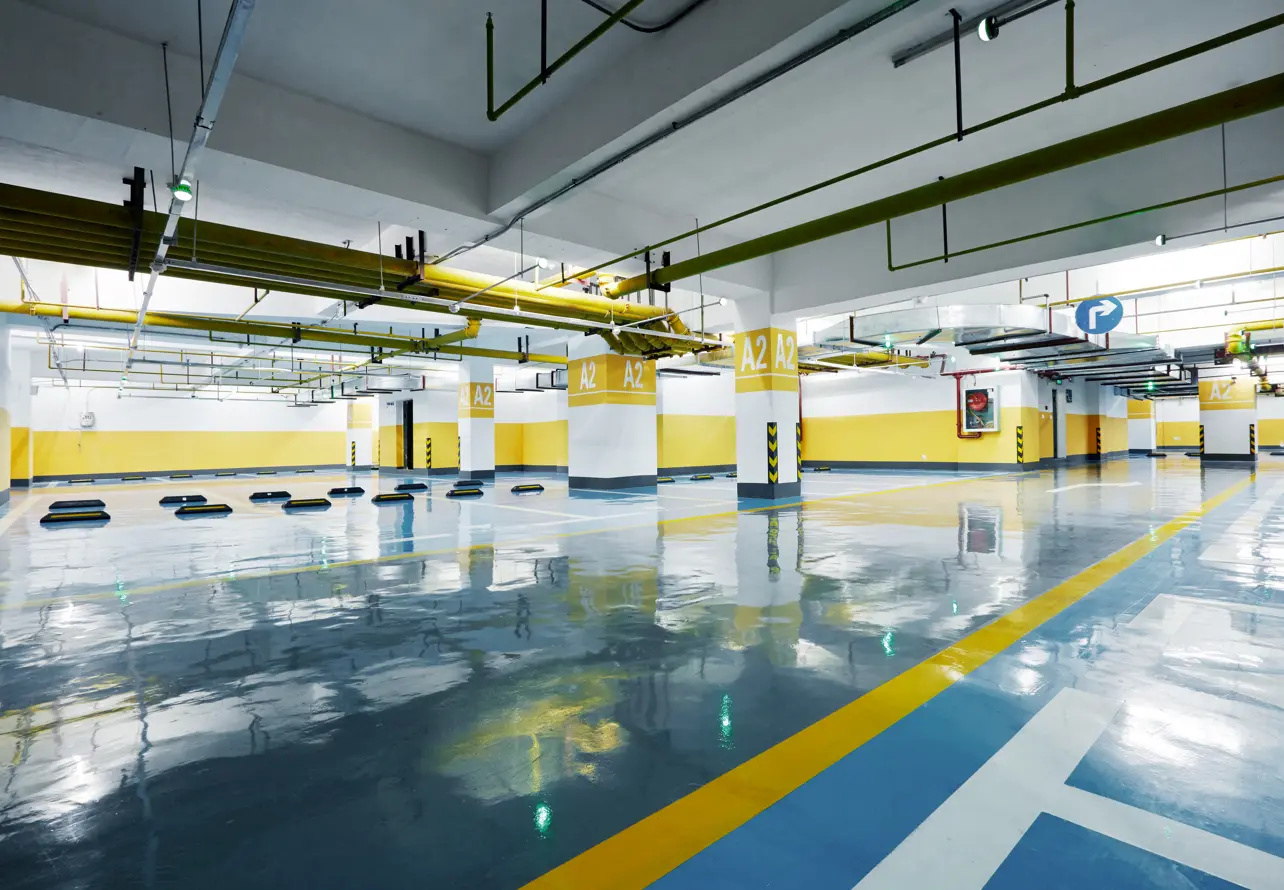
Choosing the right floor coating is not just about looks; it directly affects durability, maintenance, safety, and long-term costs. Whether you are upgrading a garage, warehouse, commercial kitchen, showroom, or industrial space, the debate often comes down to epoxy flooring vs. other floor coatings. With so many options available, polyurethane, acrylic, concrete sealers, and more, making the right decision can feel overwhelming.
Among all choices, epoxy floor coating continues to dominate the market due to its strength, longevity, and professional finish. But is it truly better than the alternatives? Let’s break it down in a clear, practical way so you can decide what works best for your space.
What Makes Epoxy Flooring Stand Out?
Epoxy flooring is created by mixing resin and hardener, which chemically bond to form a rigid, plastic-like surface. Once cured, the result is a seamless, highly durable coating that bonds directly to concrete.
What sets epoxy apart is its chemical resistance, load-bearing capacity, and long lifespan. Unlike paint or basic sealers that sit on the surface, epoxy penetrates and locks into the concrete, creating a solid protective layer.
Epoxy floor coating is commonly used in:
- Industrial warehouses
- Auto garages
- Commercial kitchens
- Hospitals and laboratories
- Retail and showroom floors
Its ability to handle heavy traffic and harsh conditions gives it a clear edge in demanding environments.
Comparing Epoxy Flooring with Acrylic Floor Coatings
Acrylic coatings are often chosen for their affordability and fast drying time. They are typically water-based and easy to apply, making them popular for quick renovations or temporary solutions.
However, acrylic coatings fall short in durability. They are thinner, more prone to scratches, and wear down quickly under heavy foot or vehicle traffic. Frequent reapplication is usually required, increasing long-term maintenance costs.
In contrast, epoxy floor coating offers:
- Significantly longer lifespan
- Better resistance to chemicals and abrasions
- A thicker, more protective finish
If the floor will experience daily use or heavy loads, epoxy is the far more reliable option.
Epoxy Flooring vs. Polyurethane Coatings: Durability vs. Flexibility
Polyurethane coatings are known for their flexibility and UV resistance. They perform well in areas exposed to sunlight and temperature fluctuations, such as outdoor walkways or balconies.
That said, polyurethane does not match epoxy when it comes to compressive strength. It is softer and more vulnerable to impact damage, especially from heavy machinery or dropped tools.
Epoxy flooring excels in:
- Impact resistance
- Heavy equipment support
- Long-term structural protection
Many professional installers actually use epoxy as a base coat and polyurethane as a topcoat to combine strength with UV protection. Still, when choosing one, epoxy remains superior for high-stress environments.
Also Read: Top Flooring Coating Trends for 2026
Comparing Epoxy Flooring with Concrete Sealers
Concrete sealers are designed primarily to protect concrete from moisture and stains. While they improve the appearance slightly, they do not add real strength or thickness to the floor.
Sealants are best suited for:
- Decorative indoor concrete
- Low-traffic residential spaces
- Short-term surface protection
Epoxy floor coating, on the other hand, transforms the concrete entirely. It not only seals but reinforces the surface, making it harder, smoother, and far more resilient.
If you want a floor that does more than just look clean, epoxy is the clear winner.
Maintenance and Cleaning: Which Floor Coating Is Easier to Maintain?
One of epoxy flooring’s biggest advantages is its low maintenance requirement. The seamless surface prevents dust, dirt, oil, and bacteria from penetrating the floor.
Cleaning epoxy floors typically involves:
- Simple sweeping
- Occasional mopping
- No special chemicals
Other floor coatings often develop cracks, chips, or peeling edges, which trap dirt and require frequent repairs. Over time, this increases both maintenance effort and cost.
For businesses that value cleanliness and efficiency, such as food facilities or medical spaces, epoxy floor coating is the most practical choice.
Cost Comparison: Initial Investment vs. Long-Term Value
At first glance, epoxy flooring may appear more expensive than alternatives like acrylic or basic sealers. However, focusing only on upfront cost can be misleading.
Epoxy offers:
- Longer lifespan
- Minimal repair costs
- Reduced downtime due to durability
Cheaper coatings may require reapplication every 1-3 years, leading to higher cumulative expenses. When evaluated over time, epoxy floor coating delivers better return on investment.
Slip Resistance and Safety Considerations
Safety is often overlooked until accidents happen. Epoxy flooring can be customized with anti-slip additives, making it safer than many smooth surface coatings.
This is especially important in:
- Garages
- Factories
- Commercial kitchens
- Wet or oily environments
Many alternative coatings become slippery when wet or worn. Epoxy’s adaptability allows safety features to be built directly into the floor system.
Design, Finish, and Aesthetic Flexibility
Epoxy flooring is not just functional, it’s visually impressive. It offers a wide range of finishes, including:
- Solid colors
- Metallic effects
- Decorative flakes
- High-gloss or matte finishes
Other coatings offer limited design options and fade faster over time. Epoxy retains its appearance for years, making it ideal for showrooms, retail spaces, and modern interiors where appearance matters.
Environmental and Indoor Air Quality Factors
Modern epoxy floor coating systems have evolved significantly. Many are now low-VOC or water-based, making them safer for indoor use than older formulations.
While acrylic coatings may be eco-friendly, they lack durability. Epoxy strikes a balance between performance and environmental responsibility when installed correctly and allowed proper curing time.
Which Floor Coating Is Better?
When comparing epoxy flooring to other floor coatings, the answer depends on your priorities, but for most applications, epoxy clearly stands out.
Choose epoxy floor coating if you need:
- Maximum durability
- Long-term cost efficiency
- Easy maintenance
- High safety standards
- Professional, high-end appearance
Are you ready to install epoxy flooring? Contact PEC Flooring. Whether you want it for your commercial or residential place, we can do it with perfection. We have trained and certified floor specialists who can create the perfect epoxy floors for your premises. Call us now and book an appointment.
