
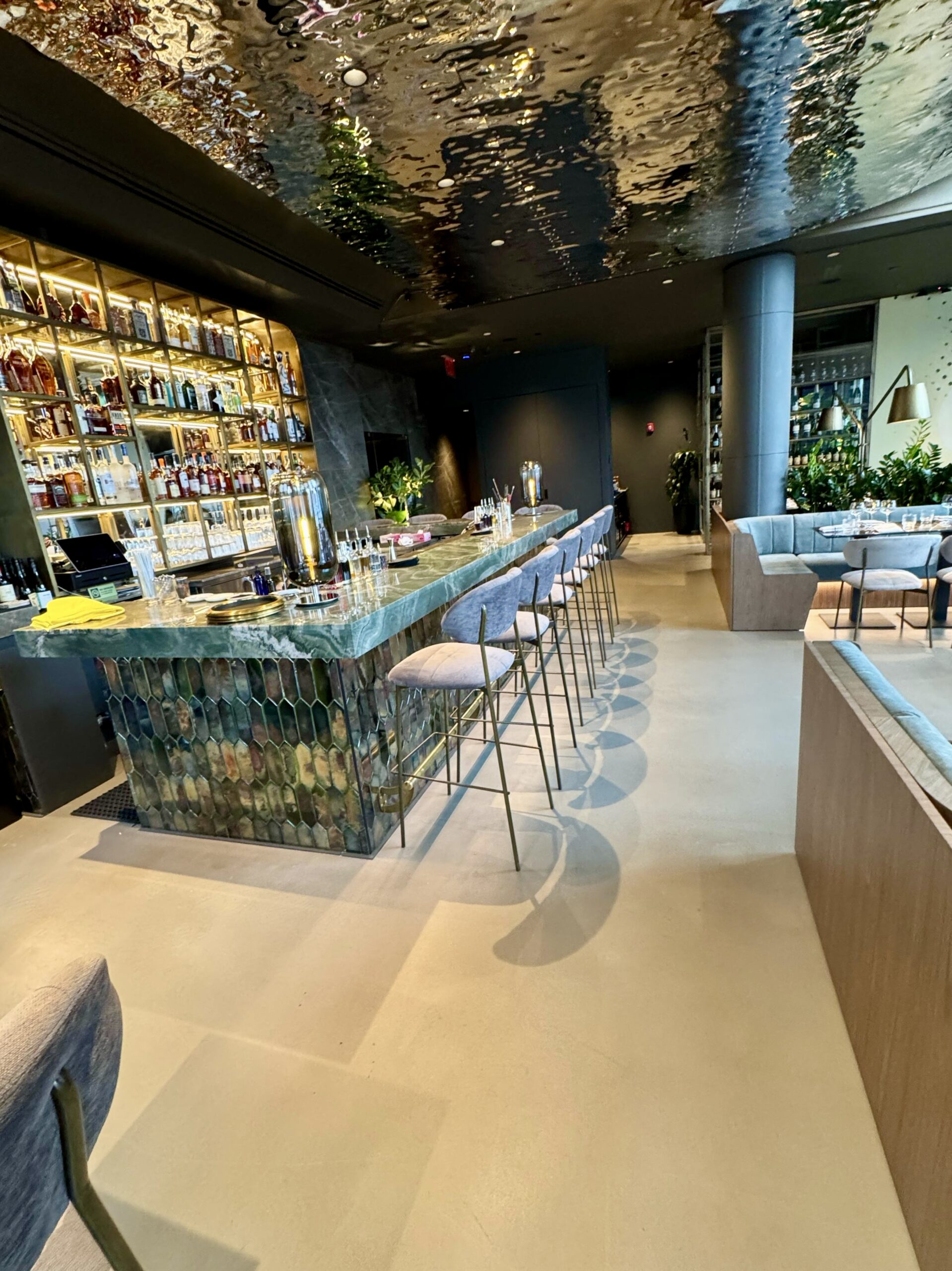
Thinking about changing your apartment floor without tearing out everything underneath? NYC apartments often leave little room for major flooring work, especially when floor height, existing surfaces, and renovation disruption are concerns. Micro-topping offers a thin, seamless finish that refreshes suitable floors without the thickness of conventional flooring materials. For many apartments, that combination makes micro-topping in NYC worth considering.
Seamless coverage gives apartment floors a clean, continuous appearance while making routine care straightforward. Suitable existing surfaces also provide a practical base for the finish, reducing the need for full floor replacement. Floor condition, moisture exposure, surface preparation, expected foot traffic, and furniture loads all affect the result.
What is Micro-Topping?
Micro-topping is a cement-based decorative finish used to create a refined concrete-style surface on floors and other interior areas. Application involves building the finish through several material layers, with each layer serving a specific purpose in developing the final surface. Color, texture, and application technique determine the visual character of the finished floor. Options range from subtle, uniform finishes to more varied concrete-inspired effects. Protective sealers are applied as part of the system to protect the finished surface from everyday use and support its appearance over time.
What Makes Micro-Topping a Good Choice for NYC Apartments
Apartment flooring needs to suit the way each space is built and used. NYC homes often have compact rooms, narrow transitions, and fixed features that limit major floor changes. Micro-topping suits apartment flooring because it combines a finished concrete look with practical qualities for residential spaces. Its application also works well with the existing character of many apartment interiors. The following points explain where this flooring option fits apartment living.
Adds a Seamless Look to Apartment Floors
Visible grout lines and different flooring materials make rooms feel visually divided. Micro-topping creates a continuous surface across suitable floor areas, giving connected spaces a more unified appearance. Concrete-style finishes suit modern, minimalist, and industrial interiors, while the smooth surface keeps the flooring from looking visually busy. Fewer breaks across the floor also make transitions between living areas feel more natural, particularly in apartments with open layouts. Various finish options give homeowners the flexibility to match the flooring to existing walls, furniture, and interior details.
Works Over Existing Flooring
Removing old flooring is often one of the more disruptive parts of an apartment renovation. Micro-topping provides a resurfacing option when the existing floor is stable and suitable for treatment. Several common flooring materials provide a workable base after proper preparation.
Concrete Floors
Concrete provides one of the most suitable bases for micro-topping because the coating bonds directly with the prepared surface. Existing concrete needs to remain stable and free from significant structural problems. Proper surface preparation also plays an important role in the performance of cement-based overlays
Ceramic or Porcelain Tile
Ceramic and porcelain tiles provide another possible base when they remain firmly bonded and in good condition. Grout lines and surface irregularities need proper treatment before micro-topping is applied. Loose or damaged tiles require attention before the new finish goes over them.
Natural Stone Flooring
Solid, well-bonded stone surfaces provide a suitable base when they remain in good condition. Proper preparation removes contaminants and addresses imperfections that could interfere with micro-topping adhesion.
Vinyl Flooring
Closer evaluation is necessary when vinyl is the existing surface. Adhesion, substrate stability, and the material’s condition all influence whether micro-topping is appropriate. Professional assessment determines whether removal or additional preparation is needed.
Keeps Floor Height Changes Minimal
Door clearance, appliance placement, and room-to-room transitions often depend on the existing floor level. Adding a thick flooring layer creates clearance issues or leaves noticeable height differences at thresholds. Micro-topping provides a thin finish over a suitably prepared surface, so the finished floor stays close to its original elevation. That low-profile application suits NYC apartments where even small changes in floor height matter.
Handles Everyday Foot Traffic
Morning routines, evening gatherings, and constant movement between rooms put apartment floors through repeated use. Micro-topping provides a durable finished surface suited to this level of residential activity when properly installed and sealed. Several characteristics make the finish practical for areas that see regular foot traffic:
- Durable Surface: Properly applied micro-topping creates a hard-wearing finish that withstands repeated walking across active areas.
- Strong Bond: Bonding with the prepared substrate gives a stable surface that stays firmly in place during everyday use.
- Protective Sealer: Suitable sealers add protection against wear, keeping the finish better suited to regular household activity.
- Consistent Finish: Seamless coverage avoids separate joints or pieces that interrupt the flooring across busy areas.
Offers Water and Slip Resistance
Kitchens, bathrooms, and entry areas regularly face spills, splashes, and wet footwear. Flooring performance in these spaces depends on how well the finished surface responds to moisture and changing traction conditions. Micro-topping suits these areas when the appropriate sealer and finish are selected for the intended use.
Water Resistance
Spills and splashes are easier to manage when the finished flooring has a properly sealed protective layer. Sealed micro-topping creates a more moisture-resistant finish for everyday apartment use. Seamless coverage also reduces joints and gaps where water and dirt often collect. Proper installation remains important for achieving consistent protection across the finished floor.
Slip Resistance
Traction matters when flooring becomes wet, particularly around bathrooms, kitchens, and apartment entrances. Texture and the selected sealer influence how much grip the finished flooring provides underfoot. Choosing a finish suited to the intended space supports better traction during everyday use. Proper application also ensures the selected finish performs as intended.
Makes Floor Maintenance Easier
Cleaning routines become more straightforward when a floor has fewer seams, edges, and separate sections to work around. In NYC apartments, where compact living areas often connect kitchens, hallways, and living spaces, a continuous finish makes routine sweeping and mopping more convenient. Smooth coverage also avoids grout lines that often need separate scrubbing. Simple upkeep suits apartment living, where convenient floor care matters alongside the overall appearance.
When Is Micro-Topping Not Suitable for an Apartment?
Micro-topping is not suitable for every apartment flooring situation. Certain conditions underneath or around the floor prevent the finish from performing properly. Some renovation restrictions also make this flooring option impractical in some buildings. In such cases, another flooring approach can be more appropriate. Common situations where micro-topping is unsuitable include:
- Active structural movement: Ongoing movement in the floor or substrate can lead to cracking and separation.
- Persistent moisture: Continuous water exposure, leaks, or moisture intrusion compromise the finished surface.
- Loose flooring: Tiles or other materials that shift, lift, or separate cannot provide a stable base.
- Severe surface damage: Major deterioration, deep cracks, or substantial unevenness prevent proper application.
- Unsuitable flooring material: Certain existing materials may not provide adequate bonding or stability for micro-topping.
- Renovation restrictions: Co-op boards, condo associations, landlords, or building management may prohibit this type of flooring work.
Factors to Consider Before Choosing Micro-Topping
Choosing micro-topping for an NYC apartment involves more than deciding whether you like its finished appearance. Building rules, installation conditions, indoor comfort, and future changes to the space all deserve attention before work begins. These practical considerations affect how smoothly the project fits into apartment living:
- Check whether your building, landlord, co-op board, or condo association requires approval before flooring work begins
- Plan around installation and curing time, especially if the apartment needs to remain accessible during the project
- Confirm that the space has suitable ventilation during installation and curing to maintain comfortable indoor conditions
- Consider how contractors will bring materials and equipment into the building, particularly where elevators, loading areas, or access schedules are restricted
- Ask about the expected odor during application if the apartment remains occupied during the work
- Discuss how future repairs, plumbing work, or other renovations can affect the finished flooring
- Confirm which cleaning products and methods the installer recommends to preserve the finish over time
Upgrade Your Apartment With Micro-Topping From PEC Floors
Micro-topping suits NYC apartments because it provides a thin, seamless finish without adding the thickness of conventional flooring materials. Its ability to work with existing surfaces, maintain a low profile, and simplify everyday upkeep makes it a practical option for renovations. PEC Floors focuses on delivering micro-topping solutions that suit the needs of each apartment and its existing conditions. Our team evaluates the flooring before installation, prepares the substrate carefully, and applies the selected finish with attention to detail. Contact PEC Floors today to discuss micro-topping for your NYC apartment.
Frequently Asked Questions
Can micro-topping be installed over existing apartment flooring?
Yes, micro-topping can go over certain existing floors when the substrate is stable, well-bonded, and properly prepared. Concrete, ceramic or porcelain tile, and some stone surfaces provide suitable bases. Vinyl requires closer evaluation because its adhesion and stability vary by product and condition.
Is micro-topping durable enough for an NYC apartment?
Yes, micro-topping provides a durable finish suited to regular residential activity. Its hard-wearing surface handles everyday walking, furniture use, and movement throughout apartment living spaces. Proper installation and sealing further support long-term performance.
How long does micro-topping flooring last?
Properly installed micro-topping flooring provides long-lasting performance in residential spaces. Its service life depends on installation quality, the selected system, daily use, and routine maintenance. Following the recommended care routine keeps the finish performing well over time.
Is micro-topping easy to maintain?
Yes, routine maintenance is straightforward because the continuous finish has fewer joints and gaps to clean. Regular sweeping and mopping remove everyday dust, dirt, and spills. Using recommended cleaning products also preserves the appearance and protective finish.
Is micro-topping slip-resistant?
Micro-topping provides suitable traction when the appropriate texture, sealer, and finish are selected for the space. Different finishes allow the flooring system to suit areas where wet conditions are common. Proper application ensures the selected finish performs as intended.
